
Summary description
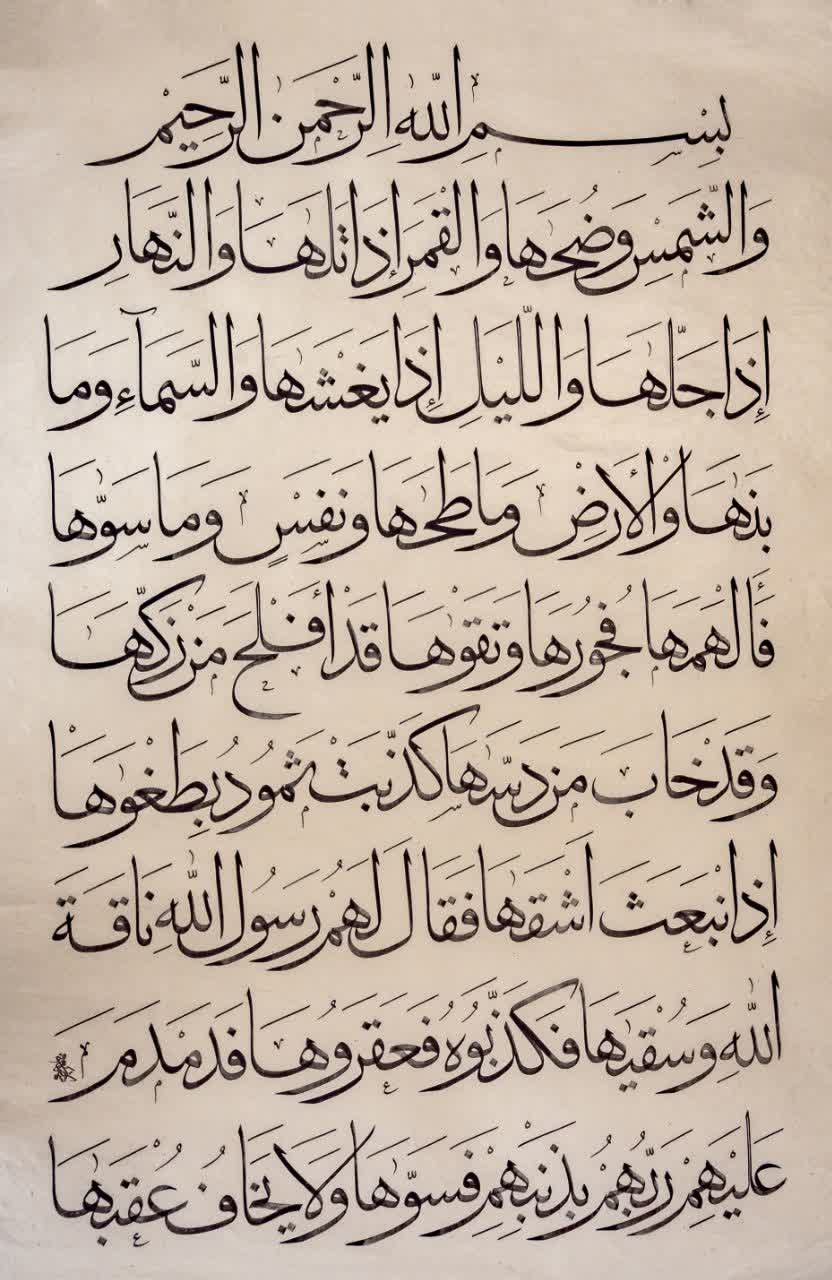
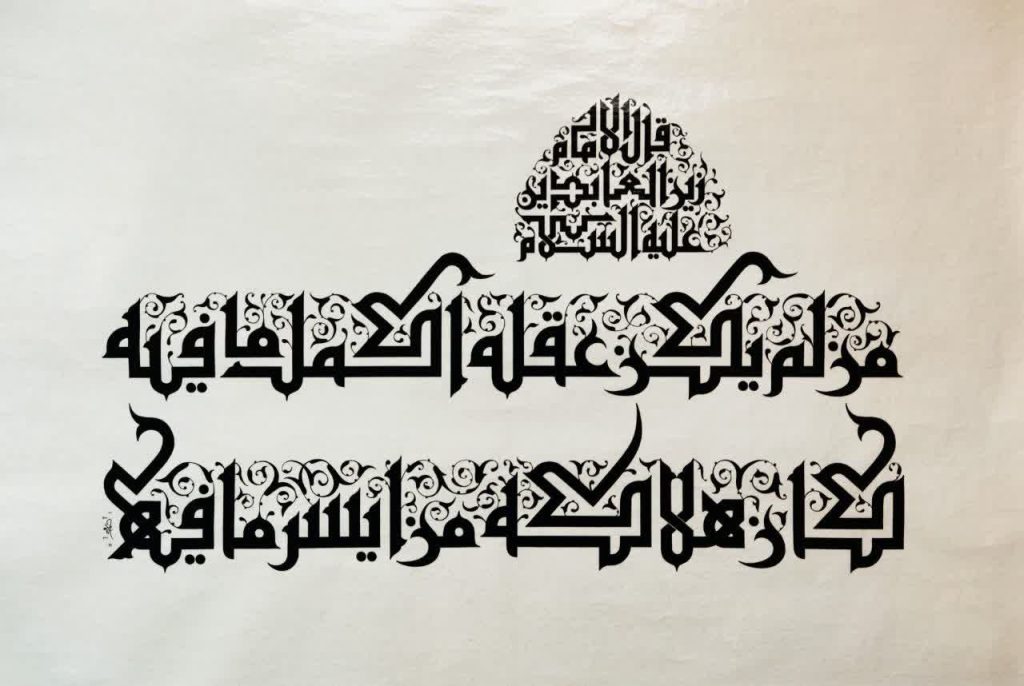
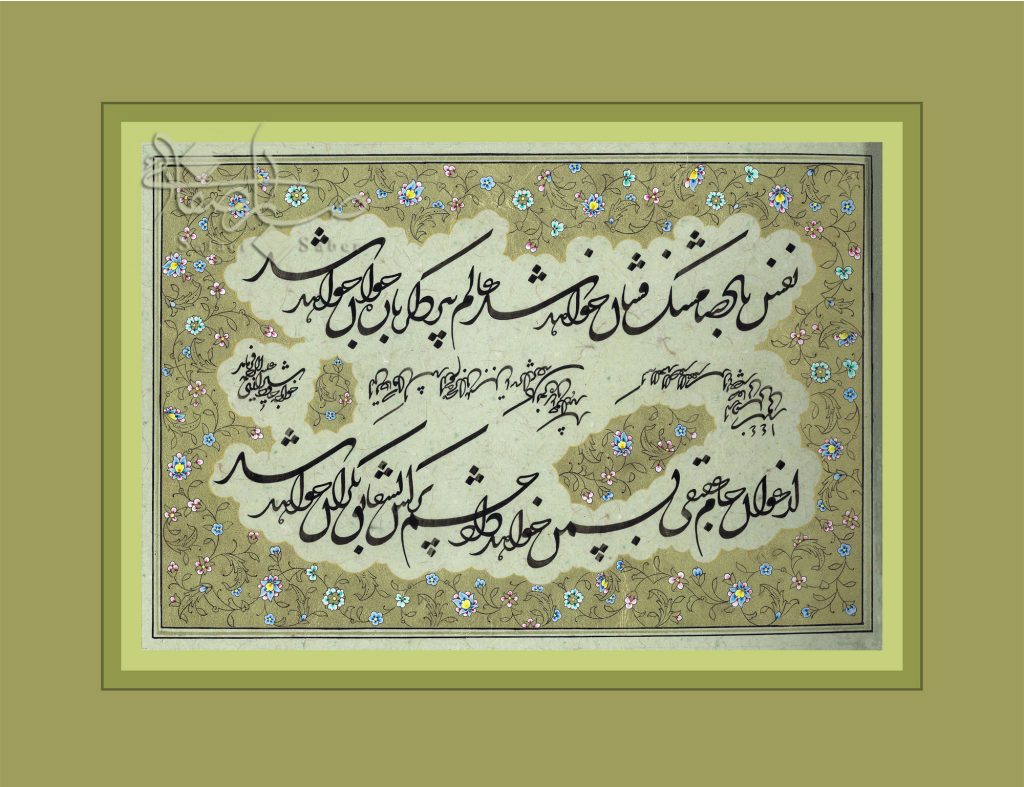
Calligraphy Artwork in Muhaqqeq Script: Surah Al-Shams – Dr. Saber Safaei
Title of the Work: Surah Al-Shams
Size: 60 × 40 cm
Technique: Muhaqqeq script on handmade paper
Date of Creation: 2016 (1395 Solar Hijri)
Time Spent on Creation: Three and a half months
Number of Existing Copies: Limited and unique
Ordering via WhatsApp (click on number) : +989143515930
Calligraphy Artwork in Muhaqqeq Script: Surah Al-Shams – Dr. Saber Safaei
Title of the Work: Surah Al-Shams
Size: 60 × 40 cm
Technique: Muhaqqeq script on handmade paper
Date of Creation: 2016 (1395 Solar Hijri)
Time Spent on Creation: Three and a half months
Number of Existing Copies: Limited and unique
Ordering via WhatsApp (click on number) : +989143515930
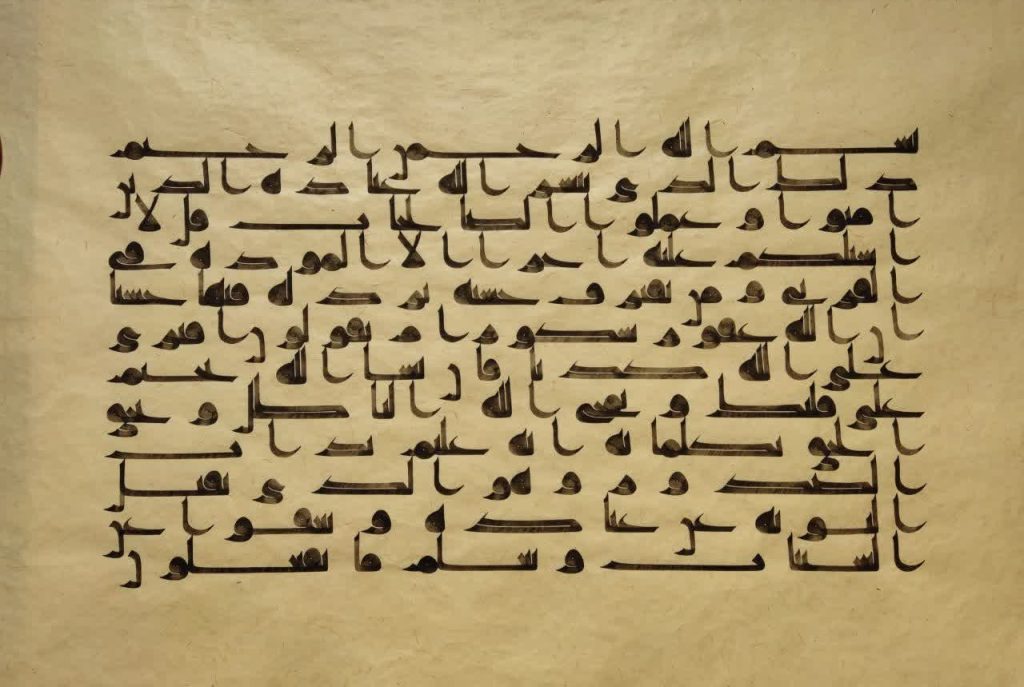
The Muhaqqeq script, known as the father of Islamic scripts, is most likely the first script developed and refined after Kufic. It is one of the Six Scripts (Aqlam al-Sitta) invented by Ibn Muqla Shirazi in the 4th century AH (10th century CE). Over time, it reached its peak and perfection under master calligraphers such as Yaqut al-Musta’simi, Ja’far Tabrizi, Baysunghur Mirza, Suhrawardi, Alireza Abbasi, and others.
Muhaqqeq is a bold, clear, and legible script, characterized by its majesty, grandeur, precise spacing, rhythmic harmony, consistency, and simplicity. At first glance, it resembles Thuluth, as it is the root of Thuluth and other scripts.
The following steps were taken to create this masterpiece:
The first and most crucial stage is designing the composition and arrangement of letters and words, adhering to the principles of aesthetics and calligraphy fundamentals. This stage requires great sensitivity and extensive time.
After determining the layout, letter placement, and line arrangement, the final sketch is prepared to establish the complete structure and framework. This phase may take weeks, demanding precision and patience to ensure all elements, curves, and angles are harmonious, rhythmic, orderly, and aesthetically balanced.
The third stage involves rehearsing individual elements before executing the final piece. Since this artwork was created on sized and polished handmade paper, it required exceptional care and multiple drafts before achieving the desired result.
The fourth stage includes adding details, decorations, and overall corrections, which itself consists of multiple steps. Here, minor errors are corrected, and the final polishing and retouching of the lines are done using finer pens and delicate brushes. This retouching phase is the longest and perhaps the most challenging, sometimes taking months to complete. However, it ensures the artwork reaches its highest level of quality and visual beauty, allowing viewers to fully appreciate its magnificence.
این گالری آنلاین در سال 1403 شروع به کار کرده است. امیدواریم که در کنار هم بتوانیم لحظاتی هنری خلق کنیم.




Reviews
There are no reviews yet.